1) Coutens B, et al.: Psychopharmacological properties and therapeutic profile of the antidepressant venlafaxine. Psychopharmacology (Berl), 239: 2735-2752, 2022.
2) Morton WA, et al.: Venlafaxine: a structurally unique and novel antidepressant. Ann Pharmacother, 29: 387-95, 1995.
3) Maji S, et al.: Efficacy and safety of monoamine reuptake inhibitors in attention deficit hyperactivity disorder: A Bayesian network meta-analysis. J Psychiatr Res, 176:403-410, 2024.
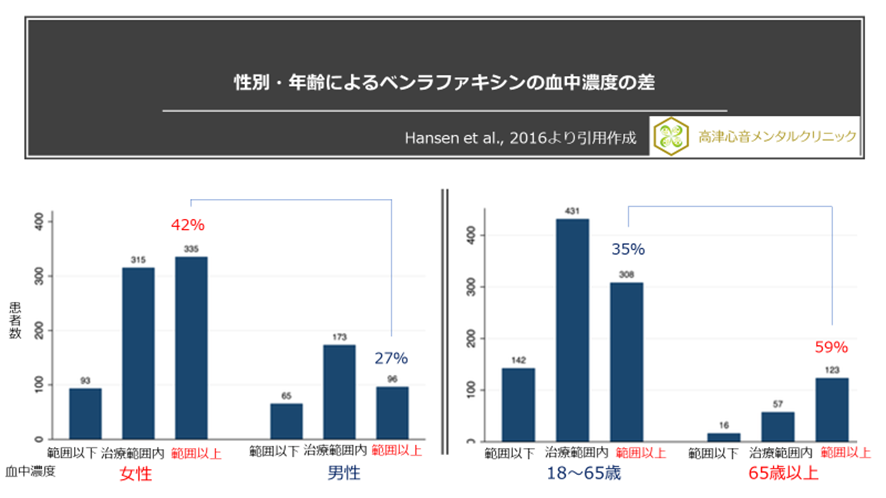
4) Schoretsanitis G, et al.: Sex and body weight are major determinants of venlafaxine pharmacokinetics. Int Clin Psychopharmacol, 33: 322-329, 2018.
5) Hansen MR, et al.: Therapeutic Drug Monitoring of Venlafaxine in an Everyday Clinical Setting: Analysis of Age, Sex and Dose Concentration Relationships. Basic Clin Pharmacol Toxicol, 121: 298-302, 2017.
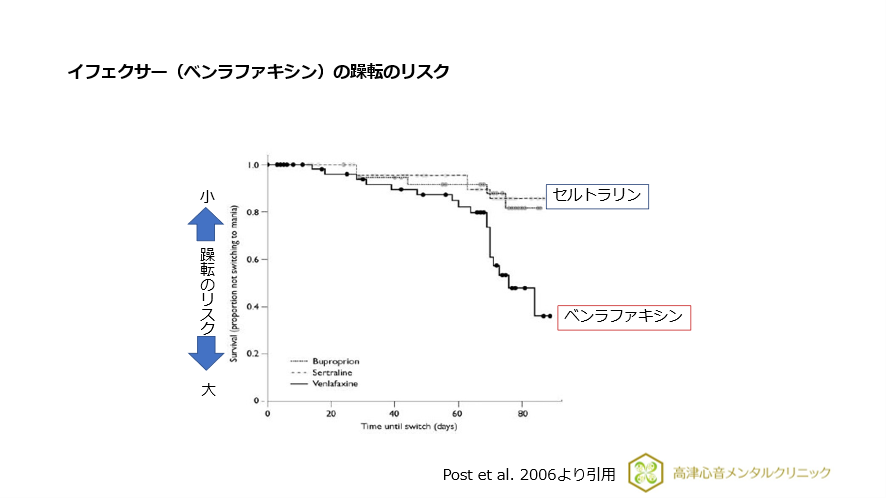
6) Post RM, et al.: Mood switch in bipolar depression: comparison of adjunctive venlafaxine, bupropion and sertraline. Br J Psychiatry, 189: 124-31, 2006.
7) Leverich GS, et al.: Risk of switch in mood polarity to hypomania or mania in patients with bipolar depression during acute and continuation trials of venlafaxine, sertraline, and bupropion as adjuncts to mood stabilizers. Am J Psychiatry, 163: 232-9, 2006.
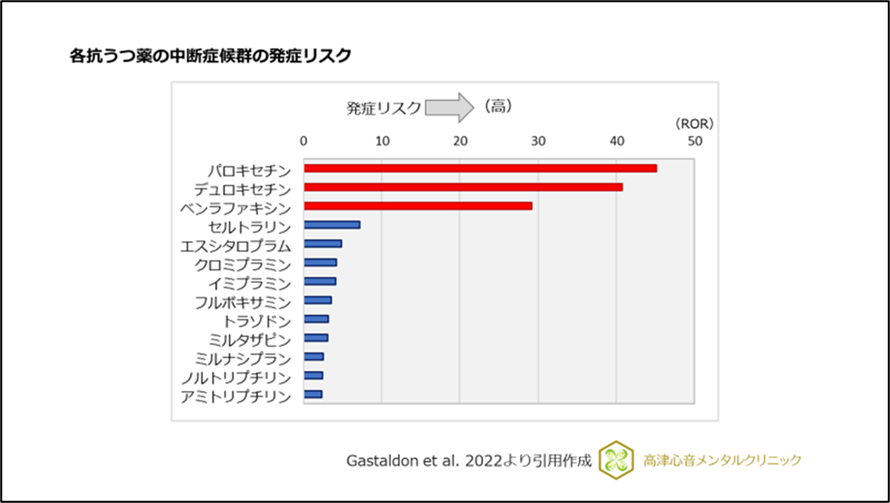
8)Gastaldon C, et al. : Withdrawal Syndrome Following Discontinuation of 28 Antidepressants: Pharmacovigilance Analysis of 31,688 Reports from the WHO Spontaneous Reporting Database. Drug Saf, 45 : 1539-1549, 2022.
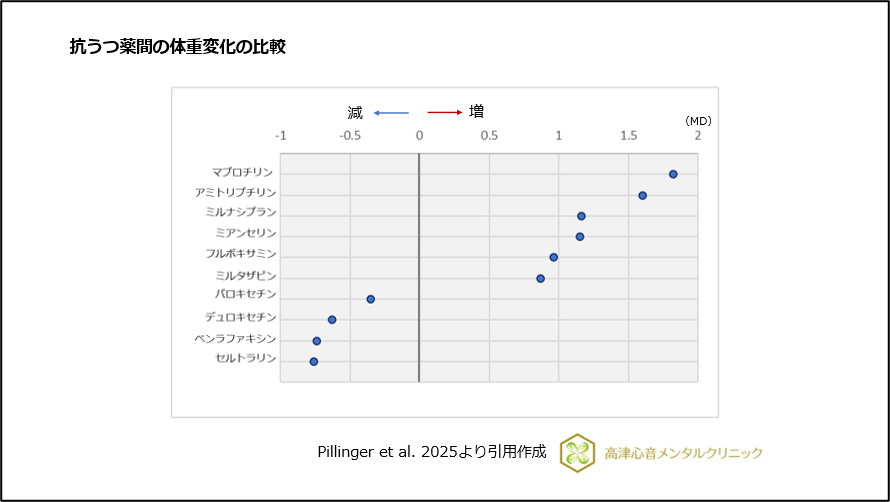
9)Pillinger T, et al.: The effects of antidepressants on cardiometabolic and other physiological parameters: a systematic review and network meta-analysis. Lancet, 406: 2063-2077, 2025.
10) Burch R.: Antidepressants for Preventive Treatment of Migraine. Curr Treat Options Neurol, 21: 18, 2019.
11) Silberstein SD, et al.: Evidence-based guideline update: pharmacologic treatment for episodic migraine prevention in adults: report of the Quality Standards Subcommittee of the American Academy of Neurology and the American Headache Society. Neurology, 78: 1337-45, 2012.
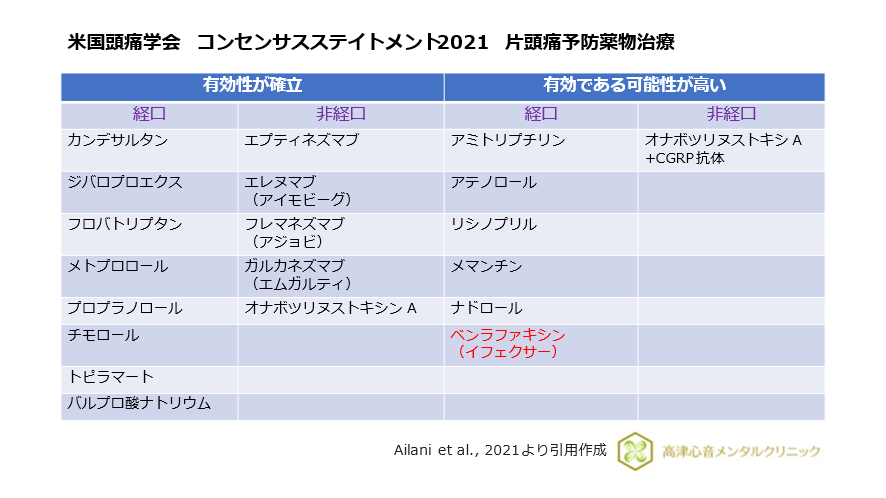
12) Ailani J, et al.: The American Headache Society Consensus Statement: Update on integrating new migraine treatments into clinical practice. Headache, 61: 1021-1039, 2021.
13) Hedayat M, et al.: Venlafaxine can reduce the migraine attacks as well as amitriptyline: A noninferiority randomized trial. Clin Neurol Neurosurg, 214: 107151, 2022.